News
If you ask a small business owner where most of their opportunities come from, you’ll usually hear some version of the same answer: referrals, word of mouth, “someone who knew someone.” Behind nearly every thriving local business is an invisible network of relationships quietly moving opportunities from one person to another. No big announcements. No flashy campaigns. Just a steady flow of trust being passed along behind the scenes. This is how local economies work. Not just through marketing. Not just through pricing or location. But through connection and loyalty. And those connections take time. The Network You Can’t See (But Feel Every Day) Think about how business really gets done in your community. A contractor needs an electrician and calls someone they’ve worked with before. A new homeowner asks their real estate agent for someone who builds fences or builds organization in garages. A banker hears a client mention they’re expanding and connects them to a commercial realtor. A consultant introduces two clients who could benefit from working together. None of this shows up in a formal report. But it drives real revenue, real growth, and real stability. These moments happen because of relationships. And more importantly, because of trust. When one business refers another, they are putting their own reputation on the line. That doesn’t happen casually. It requires the confidence that the other business will deliver. Over time, these small, consistent exchanges create a network that becomes one of the most valuable assets a business can have. Why This Matters More Than Marketing Alone Marketing gets attention but relationships get action. That’s because people are more apt to act on a word-of-mouth referral than a fancy ad campaign. When someone they trust says, “You should call them,” the decision is already halfway made. That’s the difference between being visible and being chosen. For small businesses especially, this invisible network often outperforms traditional marketing efforts. It’s more targeted, more credible, and more likely to lead to long-term customers. And best if all—more affordable. But you don’t automatically become part of that network just because you opened your doors. You must become known. Build trust through the quality of your good or services. And you have to be top-of-mind when the opportunity arises. There’s no ad campaign that can make that happen for you in a few hours. It’s a commitment to quality. It takes time to build a fully functional referral engine. How Businesses Get Left Out Businesses struggle when they’re disconnected from the flow of relationships in their community. You can do great work and serve your customers well, and still be an unknown. If that’s the case, when opportunities move through the network, they’ll move right past you. People refer who they know. Which means being good at what you do is only part of the equation. Being known for what you do is the other critical half. Where the Chamber Comes In This is where the chamber plays a much bigger role than many people realize. A chamber isn’t just hosting events and sending newsletters. It actively shapes the invisible network of the business community. And chamber membership is like the golden ticket to the business community, if you use it. Every conversation sparked between two members has potential because every time someone learns what another business does, a new connection point is created. The chamber becomes the place where relationships begin, strengthen, and multiply. These introductions are the starting points for future referrals, collaborations, and opportunities. The Compounding Effect of Connection The real power of this network is not in one introduction. It’s what happens over time. You meet one person. That person introduces you to another. That connection leads to a project. That project leads to a referral. That referral turns into a long-term client. And it works the other way too. Maybe you’ve been doing your own books and now you’re ready for someone else to take it over. You know that people you meet through the chamber have a connection to the community. Now multiply those introductions and referrals across dozens or hundreds of relationships. It’s why consistent engagement matters. Showing up once is helpful. Showing up regularly is what builds recognition. And recognition is what leads to being top of mind when opportunities move through the network. A Simple Shift in Perspective Many business owners think of networking as something they must do or conversely don’t have time for. The more useful way to see it is this: You are not just attending events or meeting people. You are positioning your business inside a living, moving network of opportunity. Every conversation makes known who you are and what you do. Every relationship increases the likelihood that someone will think of you when the right moment comes. Every time someone sees you in the community you’re building on that top-of-mind recognition. And those moments happen quietly. In conversations you’re not part of. Between people who trust each other. That’s the invisible network you want working for you because when you’re part of it, your business doesn’t just rely on cold calling and mailers. Interested leads start finding you and wanting to work with you before they’ve even read your marketing copy. Read More: 5 Customer-Focused Strategies to Build Loyalty and Drive Growth Hospitality is the Hidden Edge: Why Emotional Connection Drives Customer Loyalty Local Business Partnerships Strengthen Communities and Drive Growth The New Networking: Why Strategic Alliances Beat Surface-Level Contacts The Referral Engine: How to Get People Talking About Your Business --------------- Christina Metcalf is a writer and women’s speaker who believes in the power of story. She works with small businesses, chambers of commerce, and business professionals who want to make an impression and grow a loyal customer/member base. She is the author of The Glinda Principle , rediscovering the magic within. _______________________________________ Facebook: @metcalfwriting Instagram: @christinametcalfauthor LinkedIn: @christinametcalf5

It’s the middle of the night. Even the high achievers aren’t awake yet. But you are. Not because of a noise, but because of a number. Specifically, the number of your bank balance, and how it compares to the number required to pay your team this Friday. You aren’t alone. For small business owners, payroll isn’t just an expense; it’s someone’s mortgage payment. Their rent, their groceries, and their families depend on your ability to manage a spreadsheet. When the panic hits, swirling thoughts aren’t helpful. You need triage. You need the 2:00 AM Audit: a pragmatic, five-step checklist to shift you from paralysis to perception, and from perception to a plan. After all, worry isn’t action and that’s what you need. 1. Identify the Gap Panic makes mountains out of molehills. Wake up fully, turn on a dim light, and get the real numbers. Do not trust the "available balance" on your mobile app. It doesn't know about the three checks that haven’t cleared or the automatic SaaS deduction hitting tomorrow. Log into your actual accounting software or open your master spreadsheet. Calculate the precise amount needed for net payroll, plus payroll taxes. The Triage: What is the exact dollar amount of the shortfall? Knowing you are short $2,250 is manageable; knowing you are "short" is terrifying. 2. Isolate Incoming Cash (The "Real" Receivables). Now, look at who owes you money. Sort your accounts receivable by "Age." Triage: Ignore anyone in the "60+ days" column for tonight; they aren’t helping you by Friday. Focus only on the "Current" and "1-30 days" columns. Identify the two clients most likely to pay if given a gentle, human nudge. (Example: "Hi Jane, we are doing our end-of-month reconciliation. Any chance you could slip Invoice #104 into this week's payment run?") 3. Review Outgoing Cash (The "Can Wait" List). You cannot make money appear, but you can delay its departure. Review every expense scheduled between now and payroll day. Triage: Categorize them ruthlessly: Must Pay: Rent, utilities, essential raw materials. Can Wait: Software subscriptions that aren’t mission-critical, marketing spend, inventory that won't turn over for weeks, and—most importantly—your own owner’s draw. 4. Activate the "Last Resort" Emergency Valves. If the gap still exists after Triage #2 and #3, it's time to review your pre-approved safety nets. Triage: Check your business line of credit availability. This is exactly what it is for: smoothing out temporary cash flow valleys. If you do not have one, put "Apply for LOC" at the very top of next week’s to-do list. 5. Design the 8:00 AM Action Plan. The goal of the 2:00 AM Audit isn't to solve the problem at 2:00 AM. It's to stop the adrenaline loop so you can sleep. Write down the three things you will do at 8:00 AM: 1. Email/Call Client A regarding Invoice #X. 2. Log into the bank and defer payment to Vendor B. 3. If 1 & 2 fail by noon, draw $Y from the Line of Credit. How the Chamber of Commerce Can Help The Chamber of Commerce isn’t just for networking mixers and ribbon cuttings. We’re a powerful resilience engine for small business owners facing financial stress. If payroll anxiety is a recurring theme for you, the Chamber offers structural support to help move you from survival to stability. Financial Education and Triage Check for workshops (through the Chamber or partners like SBDC or SCORE) on cash flow management, anticipatory accounting, and fractional CFO services. These sessions are designed to teach you how to predict a payroll shortfall three months out, rather than three days out. Access to Capital and Lenders Through its network, the Chamber connects members with local banks, credit unions, and alternative lenders who specialize in small business needs. Chamber membership can give you a warmer introduction to loan officers who understand the local economic landscape and can help you secure that essential line of credit before you need it. Mentorship and Vetted Professionals Chambers provide access to mentorship programs (like SCORE) or a directory of vetted, reputable local CPAs and bookkeepers. Sometimes, the best way to solve payroll worry is to pay a professional to manage the daily cash, freeing you to focus on the strategy that generates it. Read More: The Hidden Cash Sitting In Your Business (And How to Find It) Money Management Tips for People Who Hate Money Management A Practical Guide to Funding Your Small Business with Business Loans and Beyond Small Business Administration - Manage Your Business Small Business Resource Round-up Check out these Chamber Businesses for: Financial Advisors & Accountants Payroll -------------- Christina Metcalf is a writer and women’s speaker who believes in the power of story. She works with small businesses, chambers of commerce, and business professionals who want to make an impression and grow a loyal customer/member base. She is the author of The Glinda Principle, rediscovering the magic within. _______________________________________ Facebook: @metcalfwriting Instagram: @christinametcalfauthor Substack: @christinametcalf LinkedIn: @christinametcalf5
If you’re a small business owner, you probably didn’t wake up one morning and declare, “Today, I’m going to be an executive.” That would’ve required time for reflection and who has that when you’re running a business? Most entrepreneurs don’t get that luxury. One day you’re making the thing, selling the thing, fixing the thing, or delivering the service. The next day you’re managing schedules, answering payroll questions, resolving customer issues, and trying to figure out why the printer refuses to cooperate with the accounting software. Somewhere along the way, you stopped being the person who does the work and became the person responsible for making sure the work happens. This is the moment many small business owners quietly become what could best be described as the Accidental Executive. You may never call yourself a CEO. In fact, most owners of small and mid-sized businesses would laugh at the idea. But if you’re overseeing staff, coordinating multiple functions of the business, making financial decisions, and setting direction for the future, you’re already operating at an executive level whether the title exists or not. The Maker Phase Nearly every small business begins in what could be called the “maker phase.” A person has a skill, a craft, or a service people want. A baker opens a shop. A contractor starts taking on projects. A designer begins freelancing. A consultant lands their first few clients. In this phase, success comes from being good at the work itself. You’re the engine of the business. If you stop producing, the business stops moving. You’re also trading time for money and since there is a limited number of hours in the day, you can only grow so much under that structure. For many entrepreneurs, this stage feels natural. The work is familiar. The results are visible. Effort goes in and something tangible comes out. But there is another dynamic at play in those early days. Most of your first customers aren’t buying because of a sophisticated marketing plan. They buy because they know you. They trust you. Someone recommended you. Maybe they met you through a community group, a chamber event, or a mutual connection. You shake their hand. You show up personally. You solve their problem. Those early relationships become the foundation of the business. They lead to repeat customers and referrals. In the beginning, your reputation travels faster than your marketing. Then something interesting happens. Customers start showing up more often. The business grows. And suddenly you can’t do everything anymore. The First Hires Change Everything Hiring the first employee is a proud moment. It signals growth and momentum. But it also quietly shifts your role. Now someone needs direction, training, and feedback. There are schedules to approve, paychecks to process, and questions to answer. Multiply that by three, five, or ten people and the nature of the job changes entirely. The owner is no longer producing the work. You’re coordinating it. Many business owners still think of themselves as the primary worker in the business even after this shift happens. But if your day is filled with conversations, decisions, troubleshooting, and planning instead of the original craft, the role has already changed. You are no longer the maker. You’re the person running the operation. And you need to make that transition if you want to grow. When Clients Miss Seeing You There is another subtle shift that often surprises growing businesses. In the early days, customers bought directly from you. They saw you on every visit. You answered the phone and handled the details. You were the face of the service. As the business grows, that changes. Employees begin doing the work. New team members show up at client sites or in the store. You become the person overseeing the business rather than the person performing the service. Often longtime clients feel that change. They might say something like, “We never see you anymore,” or “We miss working with you.” It’s not necessarily a complaint. It’s simply a reflection of change and people don’t always like change. The client trusted you personally, and now the relationship is shifting from a one-to-one connection to a relationship with the company. For many owners, this moment feels uncomfortable. It can create a sense that something important is being lost. But it doesn’t have to be. The key is making sure the client’s trust transfers from you to the organization. One simple way to do this is to intentionally introduce your team as an extension of you. Let clients know who will be working with them and why you trust that person. Share their strengths. Position them as capable professionals, not just employees filling in for the owner. At the same time, maintain a visible presence in the relationship. A quick check-in call, a brief email after a project, or an occasional visit can reassure clients that you are still engaged and accountable. You may not be doing the work personally anymore, but they are still guaranteeing the quality of the work. The Uncomfortable Truth This stage can feel frustrating because the skills that made you successful early on are no longer the skills the business needs most. Being a great mechanic does not automatically prepare you to manage technicians, negotiate vendor relationships, and analyze pricing strategies. Being a talented photographer does not immediately translate into managing a studio schedule, marketing campaigns, and customer service policies. Running a growing business requires a completely different set of abilities. Leadership. Communication. Delegation. Decision-making. Strategic thinking. These are executive-level skills, even if the business only has a handful of employees. The uncomfortable truth is that many owners are never formally taught how to make this transition. Most are figuring it out in real time while trying to keep the business moving forward. Why This Transition Matters When business owners don’t recognize their role has changed, they often continue trying to operate as the primary worker while also managing the entire organization. That combination rarely works for long. Owners become overwhelmed. Employees feel micromanaged and confused about their role. Recognizing the shift from maker to accidental executive allows owners to approach their role differently. Instead of trying to do everything personally, the focus moves to building systems, developing people, and creating structure that allows the business to operate effectively. Your work becomes less about personal output and more about guiding the entire operation. Over the course of your business’ lifetime, your role will likely transition several times from doer to manager to executive leadership where operational duties fall to others. The Chamber Can Help This is exactly where business networks and community support become valuable. Many small business owners are navigating these leadership shifts. Connecting with other business owners provides perspective that cannot be found inside the walls of your company. Conversations at networking events, leadership programs, workshops, and peer groups often reveal something powerful. Nearly everyone is figuring it out as they go. Hearing how other owners approached hiring, delegation, growth, and leadership challenges can shorten the learning curve dramatically. The chamber environment creates space for those conversations to happen (and sometimes the leadership training too). The Title Isn’t the Point Whether someone calls themselves an owner, founder, partner, or president does not really matter. What matters is recognizing the moment when the business begins requiring executive-level thinking. Once you shift from doer to manager (or exec), the path forward changes. The goal is no longer simply doing the work well. The goal becomes building a business where many people can do the work well and thrive. That’s the real difference between doing a job and leading an organization. Read More: Business.com First Time Hiring Guide Is Your Business Owner-Dependent? How to Build a Culture People Want to Be a Part of Succession Planning Workbook - a resource for planning. Created to help you identify key people/positions that should have redundancies in place and help get a guideline for training and replacements. Free for Chamber Members. ----------- Christina Metcalf is a writer and women’s speaker who believes in the power of story. She works with small businesses, chambers of commerce, and business professionals who want to make an impression and grow a loyal customer/member base. She is the author of The Glinda Principle , rediscovering the magic within. _______________________________________ Facebook: @tellyourstorygetemtalking Instagram: @christinametcalfauthor LinkedIn: @christinametcalf5

For a small business owner, the most critical piece of equipment isn't your laptop, your CRM, or your delivery van—it’s your brain. When you are the visionary, the strategist, and the customer service department, your cognitive clarity determines your bottom line. However, "founder’s fatigue" often leads to the dreaded brain fog: that sluggish, scattered feeling where making a simple decision feels like wading through molasses. Here’s how to optimize your neural hardware for peak performance and clear the fog of overload. You do it for your equipment. You deserve (at least) the same level of care. 1. Master the "Context Switching" Fee Every time you jump from an invoice to a marketing tweet to a customer complaint, your brain pays a switching fee. Research suggests this can lower productivity by up to 40%. The Fix: Time-Batching. Group similar tasks together. Dedicate Tuesday mornings solely to social media content for the month and Thursday afternoons to invoicing. This allows your brain to stay in one "mode" and reduces the cognitive load of pivoting between these very different tasks. 2. Fuel the Biological Machine Your brain represents only 2% of your body weight but consumes about 20% of its energy. If you fuel it with erratic caffeine spikes and skipped lunches, it will underperform. The Fix: Prioritize neuro-protective fats (like Omega-3s) and complex carbohydrates that provide a steady stream of glucose. Most importantly, hydration is non-negotiable; even 2% dehydration can significantly impair tasks that require attention and memory. 3. Implement an "External Brain" Brain fog is often the result of Open Loop Syndrome—the mental exhaustion caused by trying to remember ten different unfinished tasks. Just like on your computer when you have too many tabs open, performance decreases. The Fix: Use a Capture System. Whether you use a digital app or a physical notebook, get every "to-do" or concern out of your head the moment it appears. When your brain knows the information is recorded safely elsewhere, it can stop using energy on that thought, freeing up bandwidth for deep work. 4. Optimize Your Sleep Architecture Sleep isn't just downtime. It’s when your brain’s glymphatic system flushes out metabolic waste (essentially "washing" your brain). For a business owner, a missed hour of sleep is a direct hit to your emotional intelligence and decision-making speed, not to mention it often impacts your personality and desire to do the difficult work. The Fix: View sleep as a non-negotiable business appointment. Aim for a consistent "wind-down" period 30 minutes before bed where screens are banned. Quick Tips for Immediate Fog-Clearing When you hit a wall in the middle of the workday, try these easy pattern interrupters: · The 10-Minute Walk - Increases blood flow to the hippocampus and resets focus. · Box Breathing - Inhale for 4, hold for 4, exhale for 4, hold for 4. Calms the nervous system. · Single-Tasking - Close every tab except the one you’re currently working on. · Cold Exposure - A splash of cold water on the face triggers the diving reflex, slowing heart rate and increasing alertness. You don’t need to work more hours. Instead, make the hours you work more effective. By treating your brain with the same respect you give your business finances or equipment, you'll find that the fog lifts, leaving room for the clarity and innovation that started your business in the first place. Read More: 4 Simple Management Tasks to Make More of Your Limited Time Breaking the Burnout Cycle for Small Business Success Why Having a Hobby is Great for Business -------- Christina Metcalf is a writer and women’s speaker who believes in the power of story. She works with small businesses, chambers of commerce, and business professionals who want to make an impression and grow a loyal customer/member base. She’s the author of The Glinda Principle , rediscovering the magic within and is currently writing a book for burnt-out overachievers entitled, When Great Isn’t Good. _______________________________________ Facebook: @tellyourstorygetemtalking Instagram: @christinametcalfauthor LinkedIn: @christinametcalf5
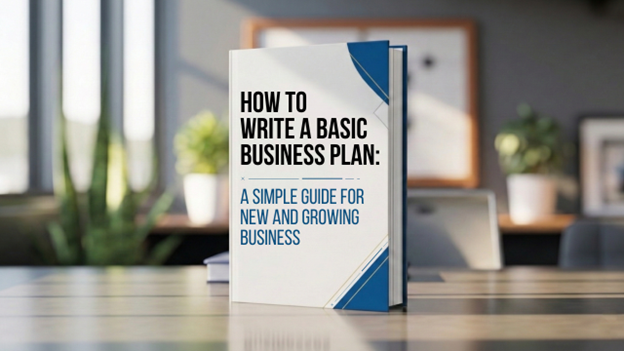
A Simple Guide for New and Growing Businesses
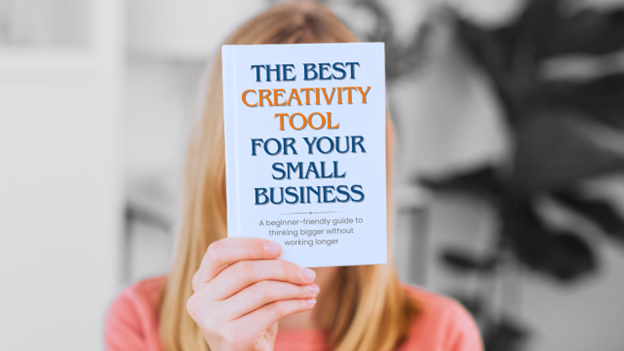
A beginner-friendly guide to thinking bigger without working longer

It’s a question that feels complicated. If you’re in business long enough, you’re going to have to raise your prices at some point. And yet when you do, it’s possible loyal customers may have big feelings about it. So how do you raise your prices without alienating the people who go you to where you are? Why Pricing Conversations Get Weird Costs creep up, your calendar fills, and suddenly you’re working harder for the same money. That’s not a growth plan. It’s a slow leak. But you can adjust pricing without drama, without apologizing, and without putting your reputation on the line. Pricing touches three sensitive areas at once for most business pros: Your confidence: Am I actually worth this? Your customers: Will they get mad and leave? Your market: What if competitors are cheaper? You won’t lose customers because you raised prices. If your customers leave it’s because they don’t understand the value, or they feel surprised. Price increases feel like betrayal when they feel sudden or inexplicable. No one wants to pay more, but when they see the value of what you’re providing and they understand what’s behind the increase, you can likely keep them as a customer. Before You Raise Anything, Do This Quick Check You’re trying to run a healthy business. Remember that. Costs increase. There’s no way to continue to provide your goods or services at the same rate you did a few years ago (unless you had a ridiculous markup—and if so, good for you). But for most of us, this is a necessary cost of doing business these days and you have to keep up with the times. Start with these questions: 1. What’s changed since your current pricing was set? If your costs, time, labor, or demand have changed, your pricing should change too. Inflation is a business reality. 2. What’s the real cost to deliver your product or service? Not just materials or payroll. Consider time, tools, admin hours, software, insurance, travel, prep, cleanup, follow-up, knowledge acquired to get you to this point. If you don’t count it, you’re donating it. 3. Where are you losing money without realizing it? Common culprits: · Custom work that turns into endless revisions · Meetings that don’t lead anywhere · Last-minute changes and reschedules · Free add-ons that became “expected” Three Pricing Moves That Don’t Scare Customers Off You don’t have to “raise prices across the board.” Sometimes the smartest move is reshaping how people buy from you. Move 1: Repackage instead of simply increasing If you’re worried about blowback, don’t just raise the number. Raise the clarity. Examples: Instead of “$125 per visit,” create “Standard” and “Priority” service tiers. Instead of “$2,000 project,” define three packages with different scopes. Instead of a single offering, create an upfront charge or membership, like a wine bar offering a membership club that’s more affordable in bulk than just a single glass, which benefit loyal members Instead of “hourly,” offer a flat-rate option for common work. When you package, customers can see what they’re paying for. It becomes less about you being “more expensive” and more about them choosing what fits. Move 2: Increase your minimums This is the quiet hero of profitability. Examples: Minimum project size Minimum order quantity Minimum monthly retainer Minimum delivery fee Minimums cut out low-margin work that eats your week. You’ll likely lose the most price-sensitive customers, which sounds scary until you realize they’re also the most demanding per dollar. Move 3: Adjust for urgency and complexity Not all work is equal. Not all customers are equal. Pricing can reflect that. Consider: Rush fees After-hours fees Complexity fees for extra revisions or custom requests Travel or onsite fees “Done-for-you” vs “DIY” options When to Raise Prices Timing matters because you want the change to feel intentional and not random. Three good moments to adjust pricing: When demand is high and you’re booked out When costs have increased significantly When you’ve improved your results or delivery (faster, better, smoother) When you’ve gained new expertise or value When you roll out something new If you’re already overloaded, raising prices can improve customer experience. You deliver better quality, which means higher prices. The Conversation This is where a lot of business owners hurt themselves. They over-explain, apologize, or sound defensive. Don’t do any of that. Your message should follow the four Cs: cursory, clear, confident, and customer-aware. Here are a few scripts you can adapt for your business. Script 1: Simple and direct “Starting April 1, our pricing will be updated. This change reflects increased costs and allows us to continue delivering the level of quality and service you expect.” Script 2: For loyal customers “As a valued customer, you’ll have access to current pricing through May 1. After that, updated rates will apply. We appreciate your continued support.” Script 3: When you’re shifting packages “We’re updating our service options to make them clearer and more flexible. You’ll now be able to choose between three packages based on your needs. The new options begin April 2.” You’re not asking permission. You’re informing them. What If Customers Push Back? Some will. That’s normal. The goal is not to avoid it, but to handle it professionally. If someone says, “That’s too much,” try: “I understand. If budget is a concern, we can look at an option with a smaller scope.” Or: “I hear you. Our pricing reflects the time and expertise required to deliver it well.” If someone threatens to leave, stay calm: “I’d hate to lose you, but I understand you need to choose what’s best for you.” Most of the time, the customers you want will respect you more for being steady. If you are still worried about raising prices with your loyal customers, grandfather them into their original pricing structure and raise prices for all new customers. However, this only works when you have room to take on new customers. Eventually it will be inevitable that even your grandfathered customers will see a price increase. But if you want to put it off, that’s a way to do it. A Quick Action Plan for This Week 1. Pick one pricing move: repackage, minimums, or urgency fees 2. Decide your effective date: give customers a reasonable notice window 3. Write your message: two to three sentences, no apologies 4. Update your materials: website, menus, quotes, proposals, booking links 5. Practice your response so you don’t panic when someone asks why Then stand firm. Pricing without panic is really about leadership. You don’t raise prices because you’re greedy. You raise prices because your business has to be sustainable to serve anyone at all. You’re building something that should last. Pricing is one of the ways you make sure it can. And if you want a sounding board, a few examples, or a sanity check before you hit “send” on the announcement, your chamber community is exactly the place to start. Read More: How to Build Loyalty Without Spending a Dime on Ads The Smarter Way to Grow Customer Value Winning Back Lost Customers: Smart Strategies to Reignite Trust and Revenue ----------- Christina Metcalf is a writer and women’s speaker who believes in the power of story. She works with small businesses, chambers of commerce, and business professionals who want to make an impression and grow a loyal customer/member base. She is the author of The Glinda Principle , rediscovering the magic within. _______________________________________ Facebook: @tellyourstorygetemtalking Instagram: @christinametcalfauthor LinkedIn: @christinametcalf5

If you run a small business, you know the struggle. There’s never enough time, never enough people, and the budget is always a limiting factor. So when someone says, “prioritize employee wellness,” it can sound like another big expense, not to mention something you just don’t have the resources to implement. No one will argue that taking care of your employees is important but wellness programs are for big corporations, right? Maybe yoga studios and gyms are. But there are ways to introduce and monitor wellness levels even in the smallest of businesses. Why Wellness Is Critical to Your Success Your business is only as strong as your most disgruntled employee. Dissatisfied workers aren’t good at customer service. Their dissatisfaction will be evident to those they’re trying to help. Even if your team isn’t forward facing, a burnt-out employee can spread their angst to other members of your team and erode productivity and moral. Your team’s stress level doesn’t care that you’re a small business. And if you don’t think your team has a problem, you need to consult the data, which is waving a very large flag. A recent USA TODAY|SurveyMonkey workforce survey found that 24% of workers say they’re either struggling (12%) or burnt out (12%). An article on Small Biz Trends called it a wake-up call for owners. It also encouraged simple, practical moves like regular check-ins, mental health resources, and a culture of open communication as ways to get these numbers turned around. This matters because burnout doesn’t just feel bad. It gets expensive. The Cost of Ignoring Burnout Is Real Turnover isn’t just the cost of posting a job and running interviews. It’s: · lost productivity while the role sits open · extra workload on your best people (who then start browsing job sites at lunch) · training time, mistakes, customer friction, and knowledge walking out the door Gallup estimates the cost to replace an employee can range from half to two times their annual salary. And those costs vary by role type. Gallup also notes replacement costs around 200% for leaders/managers, 80% for technical professionals, and 40% for frontline employees. Small businesses feel that hit harder because every person is a bigger percentage of the operation. One resignation can create a domino effect: missed deadlines, stressed coworkers, and customers who start to wonder what’s going on behind the curtain. So no, you don’t need a corporate wellness program. You need a culture where people can do good work without slowly melting down. What Wellness Means in a Small Business Employee wellness isn’t a perk. It’s the day-to-day experience of working for you. Think of it as your internal brand. A strong sense of employee wellness can keep employees hanging on through the tough times. Many of us have the mistaken idea that wellness is ping pong tables in the breakroom. But it’s not. It’s: · Clarity instead of chaos. · Respect instead of mind-reading. · A manager who notices instead of ignores. · A pace that’s intense sometimes, not all the time. Think of it as preventive maintenance. You’re not trying to create a spa. You’re trying to keep the engine from blowing on the freeway. Micro-Actions That Move the Needle (Without Draining Your Calendar and Wallet) Resources are stretched for many small businesses, so a company culture relaunch is probably not feasible. That’s why we compiled a list of small, realistic actions that compound into a healthier culture. Pick a few. Build from there. The 10-Minute “Pulse Check” (Weekly) Ask three questions of each of your team to get operational intelligence: · What’s one thing going well? · What’s one thing making your job harder than it needs to be? · What’s one thing I can remove, clarify, or decide? Decide Quicker A huge source of stress is uncertainty. If you can’t decide today, say when you will. Clarity is calming. Create a “Red Flag” Phrase Give employees a simple way to signal overload without shame: “I’m at capacity.” Or “My plate is full-full.” Then your job (or the manager’s/supervisor’s) is to respond like an adult, not a courtroom attorney. Be thankful that they admitted they couldn’t take on another task. That means they safeguarded the company from a disappointing customer experience. Protect One Quiet Hour Pick one hour a day (or two afternoons a week) that’s meeting-free and interruption-light. Make it normal to do focused work without constant pings. Normalize Taking PTO for Actual Rest That SurveyMonkey report even tracks people using PTO for rest and mental health. If your culture subtly punishes time off, burnout wins. If coverage is hard, rotate “on point/on call” responsibility so people can truly unplug. There should never be a reason to disturb an employee on vacation just because someone can’t find a file. Not only does that call disrupt them in the moment, but it also adds stress causing them to wonder what else will go wrong and what the next call or text will be about. Instead of relaxing, they will be on high alert. Make Workload Visible When everything lives in your head (or Slack chaos), people feel like they’re failing even when they’re working hard. A simple shared board (Trello, Asana, a whiteboard) plus weekly priorities reduces stress fast. Praise Specifically, not Generically “Great job” is adequate. “Great job handling that upset customer. You listened to their concerns and escalated the matter quickly and appropriately. I’m happy to announce that because of you, they renewed with us.” makes the employee feel good and helps to identify what’s important to you as a culture. Recognition doesn’t cost money. It costs attention. Set “After-Hours” Expectations If you text at 9:30 pm, your team feels the pressure of always being on call. If you must send messages late, add: “No need to respond until tomorrow.” Better yet, use the scheduling feature so they don’t receive them until business hours. While you may just want to shoot them an email so the thought doesn’t slip your mind, just remember your habits upset their nervous system. Build One “Safety Valve” for Hard Weeks Create a plan for crunch times such as: · temporary shift swaps · a pre-set “drop list” of nonessential tasks · a rotating admin/helper hour · shortened meetings Crunch happens. Suffering doesn’t have to be the strategy. Ask for One Improvement Idea Per Month (And Implement It) This is how you build trust: ask, choose, act, repeat. Culture improves when people see proof. No one wants to be asked their opinion just to go unheard. When you implement an employee suggestion, give the employee credit (unless they prefer otherwise. Some people don’t like to be called out in a group. Make sure you understand your employees’ motivations and preferences.) The Mindset Shift That Makes This Doable Small business owners often assume wellness requires money. Most of the time office wellness can be achieved through altering leadership behaviors that induce daily stress such as unclear priorities, constant urgency, and silence (or ignoring) when people are struggling. But stress doesn’t just go away (entirely). It leaves residuals behind so that the next time someone feels stress they’re not starting from the same unstressed place they did before. They start at a level two (or more). That means it tends to escalate quicker in the same way that when you’re run down you are more susceptible to illness. Your goal is not to make work easy. It’s to make work sustainable. Because when 24% of workers say they’re struggling or burnt out, it’s not a “nice to fix later” issue. And when replacing even one employee can cost anywhere from 50% to 200% of their salary, “we can’t afford wellness” quietly becomes “we can’t afford turnover.” Start small. Start consistent. Treat culture like the business asset it is. Read More: The Art of Giving Feedback that Inspires Instead of Discourages Ignite and Empower Your Team with Verbal Feedback Preventing Ethical Burnout: Protecting Your Team's Integrity Under Pressure Recognition is Free - But it Might be the Most Valuable Investment You Make Transforming Employee Feedback into Actionable Insights: A Leader's Guide Unlocking Reciprocity: How Gratitude Transforms Workplace Culture --------------- Christina Metcalf is a writer and women’s speaker who believes in the power of story. She works with small businesses, chambers of commerce, and business professionals who want to make an impression and grow a loyal customer/member base. She is the author of The Glinda Principle , rediscovering the magic within. _______________________________________ Medium: @christinametcalf Facebook: @tellyourstorygetemtalking Instagram: @christinametcalfauthor LinkedIn: @christinagsmith

QR codes have faded in and out of popularity over the past decade, but they’ve finally surpassed trend status and they’re here to stay. They are convenient ways to drive traffic to desired information or action platforms. When used with intention, QR codes quietly remove friction and move customers exactly where you want them to go. QR codes are great for information that could change such as daily specials. QR code stickers can also update old info on printed materials (perfect for the extremely budget conscious business) as in the case of a move and old business cards. Slap a QR code sticker on the cards directing scanners to info on your new locale. Whether QR codes are effective in your business or not depends on how you’ve been using them. This guide will help you use QR codes the smart way, without annoying your customers or wasting valuable space. Start With One Clear Job Every QR code should do one thing well. Not three. Not “menu, reviews, newsletter, and follow us on Instagram.” Before you generate a code, finish this sentence: “When someone scans this, I want them to _____.” Order ahead. Pay a bill. Join a waitlist. Watch a demo. Book an appointment. Leave a review. If you can’t answer that clearly, the QR code isn’t ready yet. Confusion kills scans faster than bad Wi-Fi. Match the QR Code to the Moment Context matters more than placement. A QR code on a table should help someone who is already seated. A QR code at checkout should help someone who is already paying. A QR code on packaging should help someone who already bought. Too many businesses ask customers to change mental gears. Someone standing in line does not want to read your brand story. Someone browsing your storefront does not want to fill out a five-field form. Ask yourself what problem exists in that exact moment and solve only that. Send Them to a Mobile-friendly Destination This sounds obvious but it is also the most common mistake. If your QR code leads to a desktop-only website, a tiny PDF, or a page that takes more than three seconds to load, you’ve lost the scan. Best practices here are non-negotiable: • Mobile-optimized page • Minimal text • Clear headline • One primary action • No pinching or zooming required A QR code is an express lane. Don’t route it through construction. Tell People What They’ll Get Never assume people will scan just because a square exists. Add a short, human instruction: · “Scan to view today’s specials” · “Scan to reorder in under 30 seconds” · “Scan for the how-it’s-made video” You’re not selling the QR code. You’re selling the outcome. The more specific the payoff, the higher the scan rate. Use Dynamic QR Codes Whenever Possible S tatic QR codes are set in stone. Dynamic QR codes let you change the destination later without reprinting anything. That flexibility matters more than you think. Menus change. Links break. Campaigns evolve. A dynamic code protects your investment and lets you adapt without starting over. It also gives you data. Scans by time, location, and device help you see what’s actually working instead of guessing. Design for Visibility, not Decoration QR codes do not need to be pretty. They need to be scannable. Follow these design rules: • High contrast between code and background • Adequate white space around the code • Large enough to scan from the intended distance • No visual clutter nearby If someone must tilt their phone, squint, or move closer than expected, the moment is gone. Brand colors are fine. Artistic distortion is not. Respect Trust and Privacy Customers are cautious. A QR code that feels sketchy will be ignored. Avoid sending people directly to: • Download prompts without explanation • Login walls • Overly long forms • Anything that looks unrelated to where they are If you’re collecting information, say so. If you’re offering value, lead with that. Trust is part of the user experience. Test Like a Customer, not an Owner Scan every QR code yourself. Then have someone else scan it. Try different phones. Try different lighting. Try it on cellular data, not office Wi-Fi. Ask: • Does it load quickly? • Is it obvious what to do next? • Would I scan this again? If the answer isn’t a confident yes, fix it before it goes live. Measure Results, Then Prune QR codes are not “set it and forget it.” Check performance monthly. Retire codes that don’t get used. Improve the ones that do. Replace vague destinations with clearer ones. A few high-performing QR codes will always beat a dozen ignored ones. Note to restaurants and those employing QR menus: COVID created a need for using QR codes to replace physical menus. Some restaurants (and service providers) are enjoying the freedom and cost reduction from using these codes instead of paper menus. There's nothing wrong with this unless your audience finds it annoying. Understand the demographic you're serving and their preferences. Some groups find the lack of a physical menu to be a barrier instead of a quicker way to see it. If that's the case with your audience, you may be losing money because they don't feel like scanning the QR code again to view the drink or dessert menu. Upsells and additions will be less likely. Used well, QR codes are invisible helpers. They shorten lines, speed decisions, and remove tiny annoyances your customers may never articulate but absolutely feel. But remember: the goal isn’t more scans; it’s smoother experiences. Read More: - How Small Businesses Can Lead Innovation - How to Make Time for Innovation - Keeping Up with Tech ------------ Christina Metcalf is a writer and women’s speaker who believes in the power of story. She works with small businesses, chambers of commerce, and business professionals who want to make an impression and grow a loyal customer/member base. She is the author of The Glinda Principle , rediscovering the magic within. _______________________________________ Medium: @christinametcalf Facebook: @tellyourstorygetemtalking Instagram: @christinametcalfauthor LinkedIn: @christinagsmith

Small business owners are usually not short on ideas. You have them in the shower, in the car, halfway through a client call, and even in the middle of the night. Ideas for a new service. A better way to onboard customers. A partnership you should pursue. A social post series that would actually sound like you. No, the problem is not creativity. The problem is action. Most good ideas don’t die because they were bad. They die because they never get translated into a next step while they’re still exciting. That’s why you need the 48-Hour Rule. The rule is simple: If an idea doesn’t have a next action plotted and scheduled within 48 hours, it’s not a plan. It’s entertainment. This is not a judgment on your executing abilities. It’s your business. The urgent pulls harder than the important. And once an idea slips behind payroll, customer emails, and the Tuesday fire drill, it rarely climbs back out. So, let’s talk about how to make the 48-Hour Rule work in real life with time limits. Why 48 Hours Works (And “Someday” Doesn’t) A new idea creates a burst of clarity. You can see the path. You can picture the result. You feel a little lighter because you’ve imagined a better version of your business. But clarity fades fast. In 48 hours, two things happen: Reality returns. Your current workload reasserts itself or you start doubting your abilities, your team’s abilities, your customer’s interests, or any other number of things that begin to cause… The idea starts to feel bigger than it is. You forget the simple version and only remember the “perfect” version. This becomes next to impossible to put into action. The 48-Hour Rule protects your idea from both. It forces you to do one thing before the moment passes: choose the next action . Not the whole plan. Not the branding. Not the full rollout. Just the next action. The Difference Between an Idea and a Next Action An idea is fun, creative, exciting, while a next action is specific, physical, and schedulable. It’s something you can do without needing another meeting with yourself. Shy away from your action being “research.” It’s easy to get lost in it with little to show. Here are examples: Idea: “We should improve customer follow-up.” Next action: “Draft a two-email follow-up template and save it in the CRM.” Idea: “We should partner with another business.” Next action: “Write one partnership pitch email and send it to two businesses by Friday.” Idea: “We should raise prices.” Next action: “List top 10 services, current prices, and margins in a spreadsheet by Thursday at 10 a.m.” If you can’t schedule it, it’s not a next action. How to Implement the 48-Hour Rule Without Blowing up Your Week If you’re excited about your new idea, get something scheduled, even during a busy week. Try this: Step 1: Capture the idea in one sentence. Not five paragraphs. One sentence. Put it in a running note on your phone or a single “Idea Parking Lot” document. Step 2: Write the smallest next action. Ask: “What’s the first move that would make this 5% more real?” Step 3: Schedule it inside the next 48 hours. Not “this week.” Not “soon.” Put a 15–30-minute block on your calendar. Treat it like a client meeting. Because it is. Your future revenue is sitting in the lobby. Step 4: Give it a finish line. The goal of that block is not perfection. It’s progress you can point to. A draft. A message sent. A decision made. A file created. The “Two-Track” Trick for Busy Seasons If you’re in a truly slammed stretch, use this adjustment: you only have to schedule one of two things within 48 hours : The next action or A decision to deliberately defer it (with a date) That second option matters. Because “not now” can be a smart business decision. If you can’t do the action, schedule a 10-minute decision block: “Do we pursue this in Q1 or not?” That keeps you moving. What This Looks Like Over Time The magic of the 48-Hour Rule isn’t that every idea becomes a big initiative. Instead, your business becomes a place where ideas get handled, not hoarded. You’ll start to notice: Fewer loose ends rattling around in your brain Faster follow-through (which customers feel immediately) More momentum inside your team Better instincts about what’s worth doing, because you’re testing ideas in small bites Action compounds in the way that matters reducing chaos and increasing innovation. A Simple Challenge for This Week Pick one idea you’ve been sitting on. Just one. Write the next action. Schedule 20 minutes for it in the next 48 hours. Then do it. That’s how businesses grow—small, consistent moments of follow-through. Ask the Chamber If you’re thinking, “I have ideas, but I need the right people, resources, or a push,” you’re not alone. That’s exactly what a chamber of commerce is built for: turning good intentions into traction. Use your chamber for the kind of next actions that matter: Ask them to make an introduction that leads to a partnership or something specific you need Attend one event and meet your next vendor or client Join one committee and get closer to decision-makers Ask one question and get practical insight from business owners who’ve been there Your idea may be game changing, but you won’t know until you execute. You may not have time to get it completely worked out and implemented, but you do have time to start with a 20-minute next step. Try the 48-Hour Rule this week. Then let your chamber help you turn that first step into a path. Read More: Embracing Imperfection to Strengthen Your Business How Small Businesses Can Lead Innovation How to Make Time for Innovation Revenue Without Regret: Designing Offers You're Proud to Sell Scaling Your Impact: From Dore to Delegator to Developer -------------- Christina Metcalf is a writer and women’s speaker who believes in the power of story. She works with small businesses, chambers of commerce, and business professionals who want to make an impression and grow a loyal customer/member base. She is the author of The Glinda Principle , rediscovering the magic within. _______________________________________ Facebook: @tellyourstorygetemtalking Instagram: @christinametcalfauthor LinkedIn: @christinametcalf5
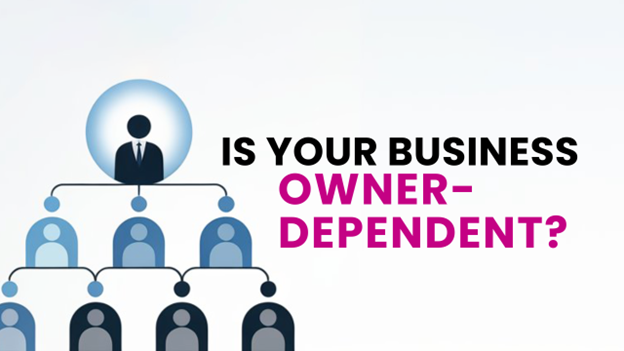
Is Your Business Owner-Dependent?

75% of hiring managers have encountered lies on resumes, posing a challenge to the trustworthiness of applicant qualifications. Pruning outdated or irrelevant job experiences from resumes can help applicants highlight their most recent and pertinent skills. Checking for employment gaps can uncover important character traits or red flags, such as incarceration, which can be further explored through background checks. Up to 85% of job seekers admit to lying on resumes about aspects like job duties and skills, making independent verification crucial. Handling discovered resume discrepancies with professionalism and aligning hiring decisions with organizational values are key. Investing in thorough verification processes, despite initial costs, is essential for reducing long-term expenses related to unproductive wages, training, and turnover. 554 words ~ 2.5 min. read In today's job market, it's quite common for applicants to exaggerate on their resumes. A surprising find by CareerBuilder shows that 75% of hiring managers have spotted lies on resumes. This highlights a big problem in hiring - how can employers trust what's on a resume? With the honesty of candidate qualifications on the line, it's important for hiring managers to find reliable ways to check the accuracy of resumes to make good hiring decisions. Read on to discover three strategies to help you fast-track the fact-checking process. Prune Old Jobs Pruning old jobs simply means removing any outdated or irrelevant information. For example, if an applicant lists a job that they held 10 years ago and haven't worked in that field since, there's a good chance their skills are no longer up-to-date. The hiring platform Indeed reminds job hopefuls to prioritize their most recent and relevant experience , so including historical work experience may also signal a lack of confidence in applying for an intended position. Check for Gaps Another way to verify the accuracy of an applicant's resume is to check for gaps. This means looking for any periods of time where there is no employment listed. These gaps could be due to a variety of reasons, such as taking time off to raise a family or going back to school. However, they could also be due to something less savory, such as incarceration. Including a background check will reveal gaps due to jail time but also other important things you may want to know like criminal arrest records or driving history. Resume gaps aren’t always a bad thing, of course. They may reveal an applicant’s character or important values, with gaps devoted to honing their leadership skills through volunteering for schools or charitable organizations. What you do with your understanding of these blank spaces is what’s important — use them to weed out applicants or to ascertain if a candidate is a value match during the interview process. Fact-Check Claims According to Good Hire up to 85% of job seekers have admitted to lying on their resume. What are they lying about? Most often, dishonest claims relate to job duties, work experience, and job skills. While it may be easy to verify if an applicant has indeed graduated from Harvard or won Teacher of the Year, it can take much more time and resources to fact check work history and job duties. For that reason, many employers rely on independent recruiters and agencies to verify resume details. What should you do if you discover something that doesn’t check out? When hiring managers spot a lie on a resume, it's important to handle it with care and professionalism. First, double-check the facts to avoid any misunderstandings. If the lie is real, talk to the applicant about it and listen to their side of the story. Then, based on how serious the lie is, decide if you still want to consider the candidate. In the end, your decision should align with your organization’s values. If you do hire someone and later discover the lie, experts recommend confronting the employee to learn more. If you want to terminate the employee, get legal counsel first. Takeaway Devoting time and resources to outside services will increase your hiring costs upfront. However, when you factor in the price tag for unproductive wages, in addition to training, firing, and rehiring costs, investing in a thorough verification process becomes a vital hiring and retention strategy. Read More: 10 Ways to Get the Most from your Chamber Membership Hiring in a Tight Market: Your Local Playbook for Finding and Keeping Great People The New Employee Benefit Everyone is Talking About The Power of 'Entry Interviews' and 'Stay Interviews' Strategies for Improving Employee Retention in Small Businesses --- The Leavenworth-Lansing Area Chamber of Commerce is a private non-profit organization that aims to support the growth and development of local businesses and our regional economy. We strive to create content that not only educates but also fosters a sense of connection and collaboration among our readers. Join us as we explore topics such as economic development, networking opportunities, upcoming events, and success stories from our vibrant community. Our resources provide insights, advice, and news that are relevant to business owners, entrepreneurs, and community members alike. The Chamber has been granted license to publish this content provided by Chamber Today, a service of ChamberThink Strategies LLC.

Think Twice Before Hiring or Promoting "Brilliant Jerks" Arianna Huffington criticizes valuing employees solely on brilliance, coining the term "brilliant jerks" for talented yet toxic workers "Brilliant jerks" can hide their toxic behaviors behind exceptional performance, complicating their identification and the management of their negative impact. Their presence can damage team unity, foster a toxic work environment, decrease morale and productivity, and lead to significant financial losses. Tolerating or rewarding such behavior normalizes toxicity and can drive away talented individuals, damaging the company's reputation and its ability to attract and retain top talent. Leaders often struggle to address these individuals due to their perceived value, despite the negative consequences on the team and overall work environment. Identifying toxic traits early, emphasizing emotional intelligence, and fostering teamwork in hiring and promotion processes can help create a healthier, more productive work environment. 547 words ~ 2.5 min read Arianna Huffington, the co-founder of The Huffington Post, famously criticized the practice of valuing employees solely based on their brilliance. She coined the term "brilliant jerks" for those who excel in their job but have a negative impact on the workplace. While it can be tempting to ignore interpersonal flaws for talent's sake, promoting or hiring such individuals often leads to long-term harm. Here, we delve into why this approach is problematic and highlight warning signs of toxic traits. Identifying "brilliant jerks" at work can be tricky. Their exceptional performance and creativity may hide toxic behaviors, making it hard for supervisors and colleagues to address their negative impact. Sometimes, these individuals are socially adept, which complicates recognizing their harmful traits. This dual nature causes confusion, as their value as high performers clashes with their negative influence. Their behavior might be situationally toxic, especially under stress, making it challenging to address effectively. The problem is "brilliant jerks" can significantly impede team unity. Their arrogance or aggression can foster a toxic environment, resulting in reduced morale and productivity among team members. When collaboration and mutual respect are undermined, innovation and efficiency are inevitably impacted. Studies indicate that toxic work environments lead to nearly $50 billion in annual losses for U.S. businesses , with a toxic culture being the leading cause of employee turnover in the initial six months of the Great Resignation. Unfortunately, tolerating or rewarding such behavior promotes disrespect, egoism, and a lack of empathy. This can normalize toxicity, driving away talented individuals who seek a positive work environment. In the long run, it undermines trust and collaboration, crucial for innovation and support. This damages the company's reputation and makes it hard to attract and keep top talent who value a healthy workplace. Dealing with these individuals can be tough due to their perceived value, even if their behavior is harmful. Leaders may fear losing their skills or impacting key projects, leading to tolerance of their actions. The misconception that high performers can behave differently can cloud decision-making, sending the wrong message to the team. It can be difficult to spot 'brilliant jerks' in the hiring process, but these red flags can help draw attention to traits that may overshadow stellar performance. If you do hire someone with these qualities by mistake, Huffington advises business leaders to act quickly: “Don't go there. And if you go there by mistake, fire them as fast as possible.” Red Flags of Toxic Traits: Empathy Deficit: Failing to grasp or appreciate others' feelings and viewpoints. Excessive Arrogance: Constantly asserting superiority over colleagues and disregarding their ideas outright. Resistance to Feedback: Being defensive towards criticism, viewing it as a personal attack rather than a chance for improvement. Manipulative Tactics: Using deceit or coercion to further personal objectives at the expense of others. "Brilliant jerks" love sharing private information in the form of 'secrets.' Social Withdrawal: Drifting apart from team activities and discussions, either by choice or due to others' reactions. Recognizing these red flags is crucial for fostering a healthy work environment. By placing a strong emphasis on emotional intelligence and teamwork during the hiring and promotion processes, organizations can cultivate a culture characterized by mutual respect and seamless collaboration. This, in turn, paves the way for achieving long-term success and sustainable growth. Read More: From Conflict to Collaboration: Turning Workplace Disputes into Growth Opportunities Hiring in a Tight Market: Your Local Playbook for Finding and Keeping Great People Rock Stars Vs. Superstars: Who's Fueling Your Team's Future? --- The Leavenworth-Lansing Area Chamber of Commerce is a private non-profit organization that aims to support the growth and development of local businesses and our regional economy. We strive to create content that not only educates but also fosters a sense of connection and collaboration among our readers. Join us as we explore topics such as economic development, networking opportunities, upcoming events, and success stories from our vibrant community. Our resources provide insights, advice, and news that are relevant to business owners, entrepreneurs, and community members alike. The Chamber has been granted license to publish this content provided by Chamber Today, a service of ChamberThink Strategies LLC.

At the risk of starting the year off with doom and gloom, this is a topic that’s becoming increasingly important. Whether it’s personal uncertainties leaking into the workplace or your employees have concerns about the business or their place in it, many of them are feeling like they’re operating on unstable ground. This topic, while uncomfortable, is not something to be ignored or swept under the business welcome mat. Yet for business owners, this can feel like one more thing on an exhaustive to-do list. You’re managing cash flow, customers, vendors, and growth. Now you’re also managing feelings. (Insert face palm emoji, right?) The good news is you don’t need a corporate HR department or a perfect roadmap to support your team well. What employees need most during uncertain times isn’t grand gestures. It’s steadiness. Clarity. And signs that the person at the helm is paying attention. Smart Ways to Steady Your Team While you can’t tell someone how to feel, or squash their concerns with logic, you can use these practical, realistic ways to support your employees when things feel unpredictable, without overpromising or burning yourself out. Start with honest, human communication When something is brewing at a company, many leaders make the mistake of falling silent. They don’t have all the answers, so they don’t want to share partial information. They vow to tell employees once they have the complete picture. However, silence breeds stories, and rarely the good kind. When employees don’t know what’s happening, they tend to imagine worst-case scenarios. You don’t need all the answers, but you do need to talk. Share what you know, what you don’t, and what you’re watching. A simple “Here’s where we are right now” goes a long way. Consistent updates, even short ones, create a sense of trust. Think of it like being a lighthouse, not a weather forecaster. You don’t control the storm. You help people navigate it. Acknowledge concerns while reinforcing stability There’s a difference between acknowledging uncertainty and amplifying it. You don’t need to constantly reference challenges or dwell on what might go wrong. Instead, name the reality and then pivot to the established light on the horizon. This is not a time for platitudes like “It’s bound to get better.” Share what you know to be true not some overly optimistic view. Saying “I know this season feels unsettled for a lot of people” validates emotions. Following it with “Here’s what remains solid about our business and our team” restores balance. People don’t expect you to eliminate stress. They want to know you see it. Offer flexibility where it’s possible Flexibility has become one of the most meaningful benefits a small business can offer. It doesn’t always mean remote work or reduced hours. Sometimes it’s flexibility in scheduling, understanding personal constraints, or adjusting expectations during high-stress periods. When employees feel trusted to manage their time and energy, they’re more likely to stay engaged and loyal. Flexibility says, “I care about you as a whole person,” which matters deeply when life feels unpredictable. Focus on what employees can control Uncertainty is unsettling because it takes control away. One of the most supportive things you can do is help employees focus on what they can influence right now. Clear priorities, defined roles, and achievable short-term goals provide a sense of progress. Break big objectives into smaller wins. Momentum is calming. It reminds people that forward motion is still happening, even if the horizon looks fuzzy. Reinforce purpose and contribution During uncertain times, people naturally ask, “Does my work matter?” This is where small businesses have an advantage. You can connect the dots between daily tasks and real impact. Remind employees how their work serves customers, supports the community, or strengthens the business. Specific recognition is powerful. Instead of a generic “good job,” try “That follow-up you did helped retain that longtime client. Great work.” Purpose grounds people when external circumstances feel shaky. It also provides them with ideas of what you and the business value. Encourage connection, not forced positivity Team connection doesn’t require mandatory happy hours or constant cheerleading. In fact, forced positivity can backfire. What people crave is authentic connection. Create space for check-ins that aren’t solely about tasks. Ask how people are doing and mean it. Sometimes support looks like listening, not fixing. A team that feels connected is more resilient when facing uncertainty together. Model calm, realistic leadership Your team takes emotional cues from you, whether you intend it or not. That doesn’t mean you need to pretend everything is fine. It means showing that challenges can be faced with composure and thoughtfulness, not short-tempered flares. Calm leadership isn’t about having all the answers. It’s about demonstrating that uncertainty can be navigated with intention. When you model steadiness, you give your team permission to do the same. Remember small actions compound Support doesn’t have to be dramatic to be effective. Small, consistent actions build trust over time. Things like clear communication, reasonable flexibility, and genuine recognition compound quietly, like interest in a well-managed account. In uncertain times, employees don’t expect perfection. They want leadership that feels human, grounded, and responsive. Robotic repetition of the company line doesn’t instill confidence. Uncertainty may be part of the landscape these days, but how you lead through it is still very much within your control. Read More: 5 Professional Development Practices That will Elevate Your Team's Success Five Strategies for Leading Through Emotionally Charged Times From Conflict to Collaboration: Turning Workplace Disputes into Growth Opportunities Ignite and Empower Your Team with Verbal Feedback Mastering Emotional Agility: A Vital Leadership Skill for Modern Workplaces ------- Christina Metcalf is a writer, ghostwriter and women’s speaker who believes in the power of story. She works with small businesses, chambers of commerce, and business professionals who want to make an impression and grow a loyal audience. She’s the author of The Glinda Principle , rediscovering the magic within. _______________________________________ Facebook: @metcalfwriting Instagram: @christinametcalfauthor LinkedIn: @christinametcalf5
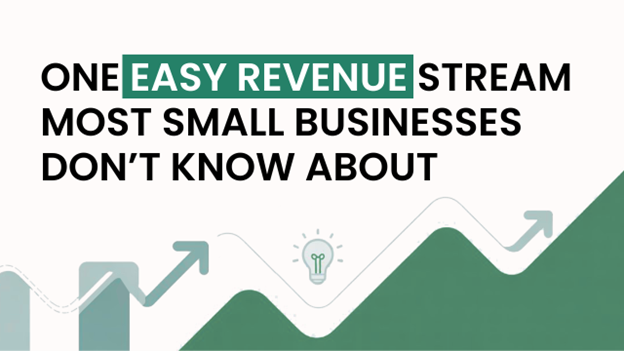
Unless you’ve been on the show Survivor’s island for the last six months, you probably have gotten wind of the notion that AI can help you save time, but did you know it can also help you make money? I’m not talking about becoming an AI expert and training the masses. That would take time you probably don’t have. In this case, I’m referring to creating a digital product for your business that you can sell and make money even when your business isn’t open. And best of all you can likely create it in a few minutes with the help of AI. Here’s how: Creating a Digital Sales Piece Your Customers Will Actually Buy This is the same concept as creating a lead magnet, but this one will be so intriguing that people will pay money for it. You don’t need a tech team. You need a clear problem, a simple format, and a smart way to package your expertise. Here’s how to go from idea to sale. Step 1: Start with a problem you solve every week The best digital products are shortcuts. They save time, reduce confusion, or help someone get a better result faster. Ask yourself: · What do customers repeatedly ask me to explain? · What do people mess up before they come to me? · What do I wish clients did before our first meeting? Drawing a blank? Then ask your favorite AI to help. “Act as an expert in [your industry]. List 20 common problems customers face in [your industry]. Group them by urgency and willingness to pay.” Step 2: Pick a “simple win” format You’re not building a course empire on Day 1. Start lightweight. Easy first products: · Templates: email scripts, pricing sheets, proposals, social captions, SOPs · Checklists: launch checklist, inspection checklist, onboarding checklist · Systems: think multiple connected pieces that work together. (Example: Client onboarding system: welcome email sequence + intake form + onboarding checklist + expectations doc) · Mini-guides: a 10-page PDF that gets someone from stuck to started · Toolkits: a bundle of templates + a short how-to video Rule of thumb: if it can be used in under 30 minutes, people will buy it. Step 3: Use AI to build the first draft fast (then make it yours) AI is your idea and rough-draft machine. You are the editor and expert. It’s a high performing partnership. Workflow could look like this: 1. Ask AI to Outline an idea: “Act as an expert in [your industry]. Create a one-page outline for a [checklist/guide] that helps [provide details on your audience] achieve [desired result].” 2. Make It Sound Like You: Give AI a tone and details about things to avoid or mention (or upload something you’ve written before that you like. Tell it to use that tone and cadence. “Write step-by-step instructions in a friendly, clear tone. Include examples of Y. Don’t mention X.” 3. Add your proof : your best tips, your real phrasing and examples. 4. Tighten : “Rewrite for clarity at an 8th-grade reading level. Remove fluff.” Important: don’t sell generic AI output. Sell your experience, packaged. AI is your assistant, not your brain. Step 4: Make it look clean enough to trust You don’t need fancy design, but you do need “this feels legit” and you want it to be brand recognizable. For quick “pro” options use: · Canva for PDFs and templates · Google Docs → export as PDF with your logo · Loom for a 5–10 minute walkthrough video · Descript for course-lite products and workshop replays · CapCut for quick, clean short-form videos Add a simple cover page, clear headings, and a “how to use this” section. Step 5: Price it like a shortcut, not a masterpiece Common starter pricing: · $9–$19 for a checklist or swipe file · $29–$79 for templates/toolkits · $99+ for a niche bundle with big ROI (like a full onboarding system) If it saves someone two hours, $29 is a no-brainer. Step 6: Sell it where you already have attention Start with what you’ve got: · Your website (Shopify, Squarespace, or a simple checkout link) · Etsy (great for templates) · Gumroad or Payhip (easy setup, instant delivery) · Instagram + email list: “Reply ‘PRODUCT’ and I’ll send the link.” Launch with a small offer: early-bird price for 7 days, plus a bonus (a quick-start video or extra template). Digital products can feel overwhelming when you’re creating your first one, but you don’t have to do it alone on consecutive Saturdays for six months. Instead, you can work with AI, provide your knowledge and let it do the composition. These products capture what you already know, bottle it, and put it on a shelf your customers can grab anytime, increasing your revenue outside of business hours and without a salesperson returning a call. Further Reading: The Hidden Cash Sitting In Your Business (and how to find it) Revenue Without Regret: Designing Offers You're Proud to Sell Small Business Resource Round-Up ------------------- Christina Metcalf is a writer and women’s speaker who believes in the power of story. She works with small businesses, chambers of commerce, and business professionals who want to make an impression and grow a loyal customer/member base. She is the author of The Glinda Principle , rediscovering the magic within. _______________________________________ Facebook: @metcalfwriting Instagram: @christinametcalfauthor LinkedIn: @christinametcalf5

For years, Instagram Stories have been like the “cool kids table” of your account: mostly seen by people who already follow you. Great for connection, not great for discovery. That’s changing and businesses should be pretty excited about this. Instagram now lets people reshare public Stories to their own Stories, even if they weren’t tagged. There’s typically an “Add to Story” option when viewing a public Story, and you can control this in your settings. If you’re a small business trying to reach beyond your current followers, this is not a tiny tweak. It’s a built-in word-of-mouth engine. Get Ready for Greater Reach When someone shares your Story to their Story, you get access to their audience without paying for ads or begging the algorithm. It’s like your best customer offering to hand out a stack of your flyers while telling their friends how amazing you are. How this helps you reach your audience: · UGC gets a turbo boost. A customer posts a Story with your product, you reshare it, then their friend reshares it again. That’s a visibility ripple that used to be harder to create on Stories. · Collabs become easier. You no longer have to rely on being tagged for someone to amplify your Story. (But don’t give up tags. They’re still good for attention.) · Your “helpful micro-content” can spread. Quick tips, behind-the-scenes, mini tutorials, reminders, myth-busting, weekly specials. If it’s share-worthy, it can move. Make Stories “share-ready.” · Add one clear takeaway per Story frame (tip, reminder, offer, before/after). · Use text overlays so it makes sense with sound off. · Add a simple prompt: “If this helped, share it to your Story.” (Yes, you can ask. People like being helpful.) · If you want Stories to stay more private-community-only, you can toggle sharing off in Settings → Sharing and reuse → Stories to stories. Early Access Reels: reward followers, attract new ones Instagram is also testing Early Access Reels. The idea: your Reel is shown to followers first, and non-followers who run into it may see a teaser plus a prompt to follow to unlock it, often with a timer for when it becomes available to everyone. Think of it like a velvet rope in an art museum. Without it, what’s hanging on the wall is just a picture. Place a velvet rope in front of it and it has instantaneous importance above all other works of art. Why this matters for small businesses: · You’re training loyalty . Followers get “first dibs” on announcements, drops, limited inventory, new menus, event registration, or seasonal services. · You turn curiosity into follows . If someone lands on your profile from a share or search and sees an Early Access teaser, the follow decision gets easier. · You can build social proof before the wider push . Post early, let your people engage, then later repost or repackage as a broader reach play. Features like this often roll out in phases and may not show up on every account right away but when they do show up on your account, you’ll be ready. Editing Upgrades That Make Your Content Feel “Bigger Than Your Budget” Instagram has been stacking practical creator tools, especially around video. Bulk Caption Editor (in Edits): Instagram’s Edits app has added bulk caption editing so you can view and adjust a transcript in one screen instead of hunting line-by-line. This is a time-saver and an accessibility win. Automated audio control / volume ducking: More tools are rolling out to help balance voice and music, so your Reel doesn’t sound like it was recorded inside a blender. Better audio = more watch time = better reach odds. Creative editing features: Edits has been shipping frequent upgrades (effects, sound effects, planning tools like storyboards). The bigger point is this: Instagram is incentivizing better-made video because it keeps people watching. “Your Algorithm” Means People Can Tune What They See Ever feel like you only see puppy Reels? Or maybe you hesitate to click on something because you know your stream will be filled with similar videos. No longer. Instagram is rolling out more controls that let users shape their Reels recommendations, including a feature often described as “Your Algorithm.” Users can view topics Instagram thinks they like, then adjust those interests. For businesses, the takeaway is simple: clarity beats variety. If your content is all over the map, you’re harder to categorize and easier to swipe past. If you’re consistently posting about a few topics your customers care about, you’re easier to recommend (and be seen). Emojis Still Matter, but Use Them Like Seasoning, not Confetti Do I hear clapping? Never mind. That’s me. Emojis can increase engagement and help your message land faster, especially in captions and comments. The expert business move is to use them with intention like pepper to bring out flavor in your posts, not to smoother them: · Use emojis to organize (bullets, steps, quick scans). · Match tone to brand (you’re allowed to have a personality). · Don’t “emoji spam” as a growth hack. People can smell that from three scrolls away. A Simple 7-Day Plan to Use These Updates Without Adding Chaos Day 1: Turn one FAQ into a 3-frame Story that’s easy to share. Day 2: Post a customer win (user generated content or testimonial) in Stories with “Share if you know someone who needs this.” Day 3: Record one Reel with clean captions (bulk edit if you have Edits). Day 4: Make one “saveable” tip carousel or mini tutorial. Day 5: Do one behind-the-scenes Story and invite resharing. Day 6: If you have it, test an Early Access Reel for an announcement or limited offer. Day 7: Check what got shared, saved, and replied to. Double down on that format next week. Instagram is quietly turning Stories into a bigger distribution channel and turning follower relationships into a stronger growth lever. If you make content that’s genuinely useful and/or entertaining, people will do the sharing for you. Just give them something worth passing along. Read More: 15 Ready-to-Use Social Media Captions for Business Owners Reels and Groups: What people Are Talking About Your Community Is Your Best Marketing Tool ------------- Christina Metcalf is a writer and women’s speaker who believes in the power of story. She works with small businesses, chambers of commerce, and business professionals who want to make an impression and grow a loyal customer/member base. She is the author of The Glinda Principle, rediscovering the magic within. _______________________________________ Facebook: @metcalfwriting Instagram: @christinametcalfauthor LinkedIn: @christinametcalf5